Your agendas in structured records
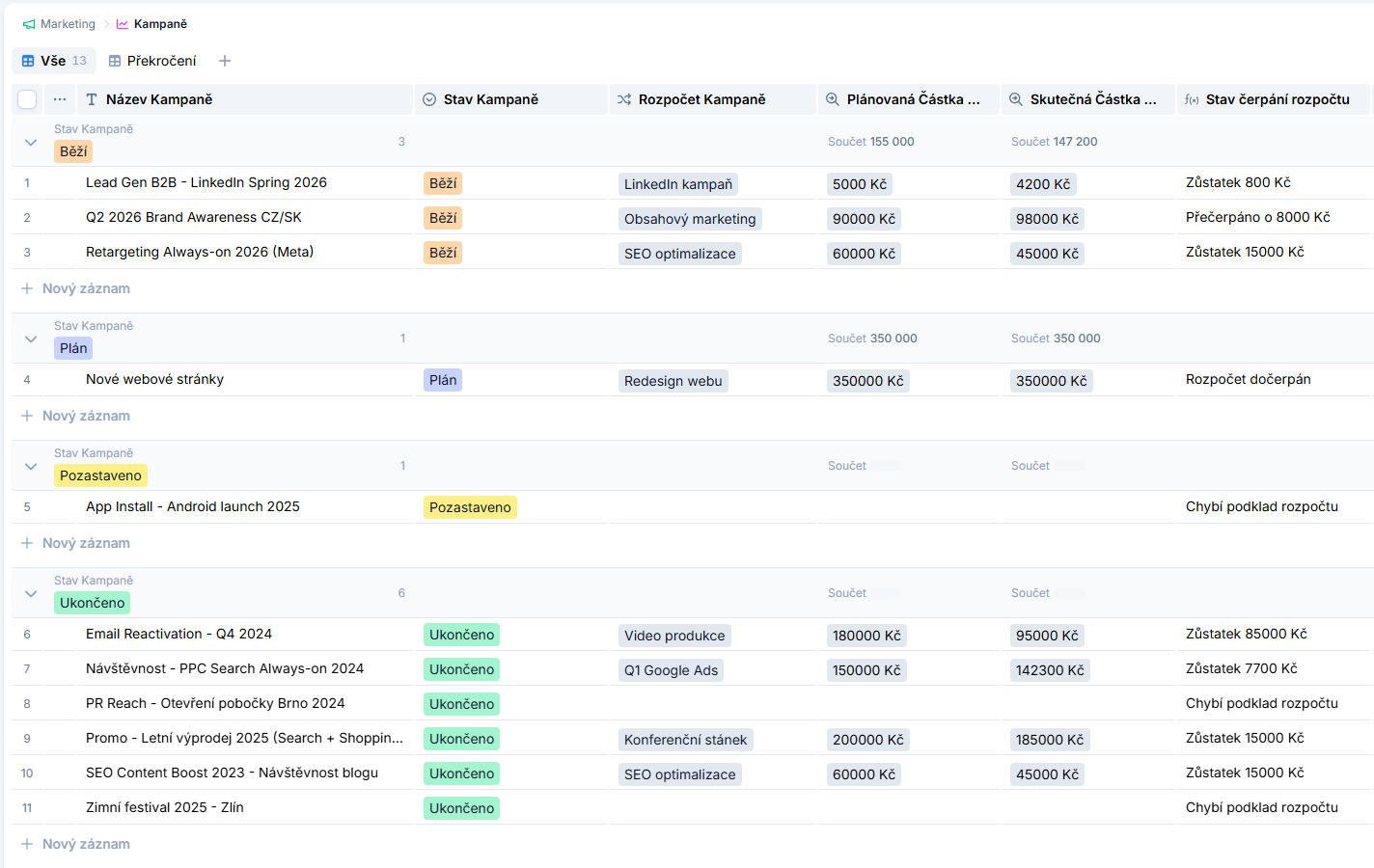
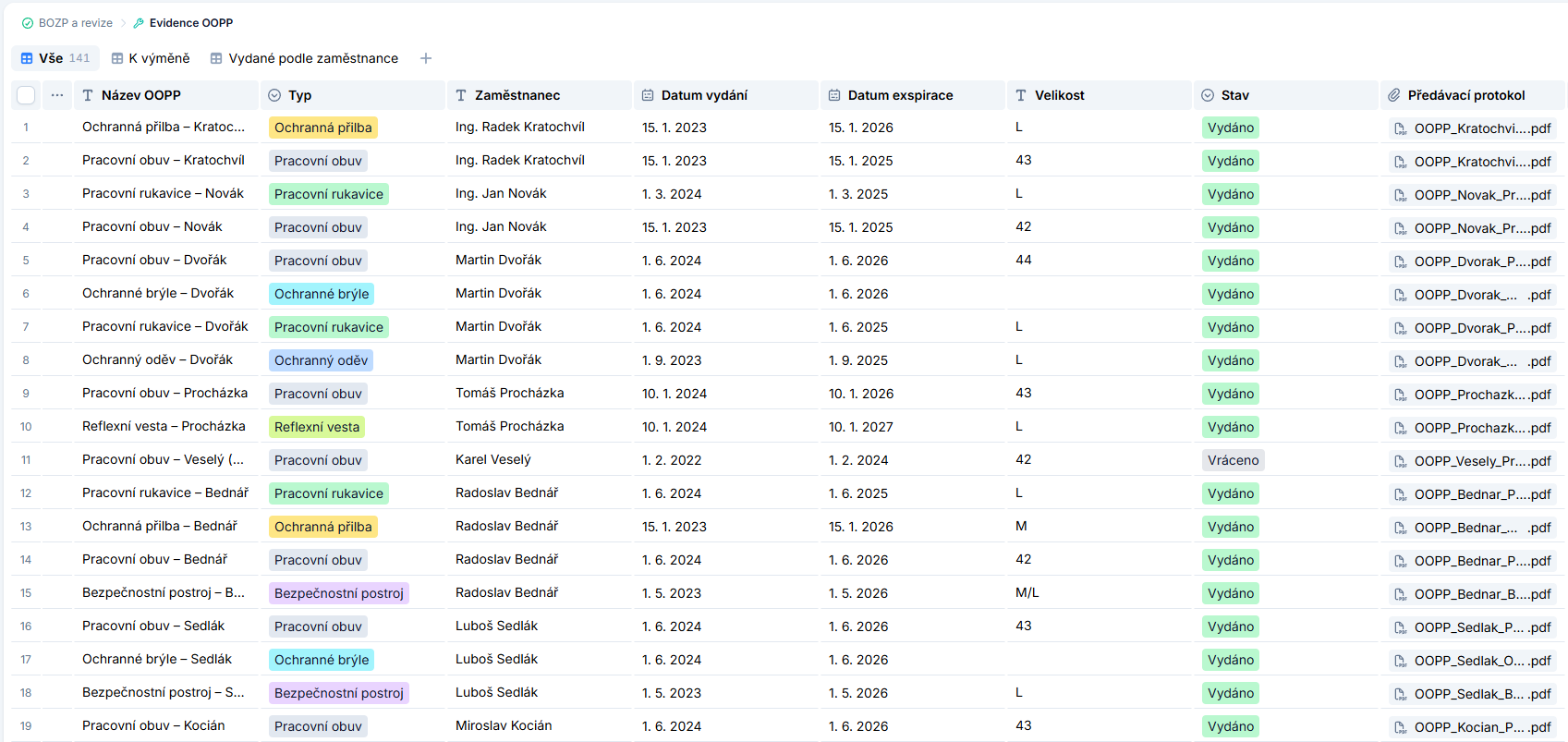
Contracts, vehicles, invoices and people live in tables with columns, relations and attachments – not in ten spreadsheets and folders on a drive.
Your data in one place.The foundation for your agendas – capture, find, automate – with AI that works on the data.
Contracts, vehicles, assets and people live in structured tables with column types, relations and attachments – not in ten spreadsheets on a drive.
Everyone builds their own view, filter or summary over the same data. What repeats is taken over by rules and agents.
Working with tablesBefore AI can work, it needs something to work on. DATIFY first captures your agendas, lets you find things in them and watches them with rules.
Contracts, vehicles, invoices and people live in tables with columns, relations and attachments – not in ten spreadsheets and folders on a drive.
Filter, sort, group and total on the spot. What you need to see is one click away as a saved view.
A trigger and its actions: deadlines, notifications and approvals run on their own, no scripts and no reminders.
The same data is then worked by AI – from document extraction to an agent that does the task itself.
Describe the goal in a normal sentence. The assistant walks your workspace on its own, plans the steps, carries them out and shows what it touched.
There is more than one lookup behind an answer. The assistant works in a loop: it decides the next step, performs it, checks the result and continues until the task is done. Longer work runs on the server, so you can close the chat and come back to a finished result.
Upload a document and instead of retyping you get a finished record, complete with the attachment the data came from, so you can always trace it back.
Invoices, contracts and scans are read and split into the columns you already have. The original file stays with the record as evidence, so the source of every value is always at hand. Several files can be processed at once.
Write what you want to see and DATIFY builds the filter. No clicking through operators and nested condition groups.
Instead of assembling conditions through operators and nested groups, you write what you are looking for in plain language. The result can be saved as a view, so next time it is one click away. It works across linked tables too.
Describe what you need to keep track of. A data structure appears (tables, columns, relations and views), ready to be fine-tuned by hand.
You do not have to start from an empty table or work out how to split the data. Describe what you need to record and the whole structure appears, including relations between tables. From then on it is an ordinary agenda you edit by clicking.
PDF, Word, PowerPoint, Excel or a chart built on what is in your tables. No export into another tool.
The output is built from current data, not from an export that goes stale in a week. The finished file stays with the conversation ready to download, and the same request can be repeated next month without writing it again.